

Singapore maintains a tropical climate, yet most professionals spend their days in air-conditioned offices, conference rooms, and public transport. These environments can create a sharp contrast between humid outdoor heat and freezing indoor temperatures. Office workers, executives, and corporate staff often find themselves needing proper cold wear in Singapore, not to battle outdoor weather, but to stay functional indoors.
Air-conditioning runs at low temperatures across commercial buildings. Prolonged exposure impacts comfort and concentration, so choosing suitable clothing can balance body temperature, support productivity, and enhance presence in client-facing roles. Therefore, employees dressed in practical cold wear project reliability and attention to detail.
Outfitting oneself correctly involves choosing items that insulate without sacrificing style. Layering pieces like cardigans, blazers, and structured outerwear ensures flexibility. Staff moving between cold offices and outdoor sites benefit from breathable yet insulating fabrics, so companies expecting employees to dress professionally must consider corporate dress codes alongside temperature control.
Relying on fashion-forward yet climate-appropriate solutions ensures workers remain confident and composed. Understanding how cold wear in Singapore affects day-to-day performance leads to more strategic wardrobe decisions for any career stage.
Balancing Style and Functionality in the Workplace
Professionals in Singapore juggle style expectations with daily exposure to cold office climates, yet maintaining a polished appearance remains essential for first impressions, client meetings, and internal reviews. Still, ignoring personal comfort leads to distraction, shivering, or even health concerns. Office attire must handle continuous cold air exposure while aligning with industry standards.
Structured layers offer effective solutions. Tailored blazers, knitted pullovers, and lightweight cardigans blend seamlessly with business attire. These items provide core warmth without creating bulk or appearing overly casual. Individuals can mix textures like cotton and wool for added dimension without compromising a professional image.
Selecting appropriate cold wear in Singapore also means avoiding overly thick jackets or outerwear better suited for temperate zones. Oversized parkas or heavy coats appear out of place in the local context and may create discomfort under brief outdoor exposure. Choosing items suitable for transport between buildings or standing in shaded areas achieves temperature control without overdressing.
Footwear matters as well. While indoor settings stay cool, closed shoes such as leather loafers or dress boots pair well with suits or dresses while offering better insulation than sandals or heels. Colder floors in shopping centres and office lobbies amplify discomfort for those wearing thin soles.
Prioritising layering techniques, materials with breathable weaves, and items that transition well between indoor meetings and occasional outdoor movement makes dressing for work in Singapore more thoughtful and effective.
Choosing Materials that Work in Cold Indoor Environments
Selecting fabric wisely remains central in creating a professional dressing in Singapore’s cold indoor spaces. Many office environments have air conditioning running all day at low temperatures, creating the need for layers that regulate body heat while maintaining a smart silhouette. Lightweight materials offer little protection, while heavier knits feel cumbersome or sweaty outdoors.
Wool blends serve well in regulating temperature, and unlike bulky winter wear, these blends retain warmth without trapping humidity. Cotton knits, particularly in crew neck or button-down designs, insulate better than sheer fabrics and add depth to formal outfits. Linen blends work during transitional months but offer little resistance to intense cold indoors.
Many professionals prefer wearing inner thermals beneath blouses or dress shirts. These base layers remain thin and undetectable, yet create insulation against constant blasts of cold air. Long-sleeved blouses in silk or jersey fabrics offer a stylish middle ground between warmth and elegance.
Cold wear in Singapore must also allow breathability. Synthetic fabrics like polyester trap heat quickly and cause sweating once outside, creating discomfort during commutes or lunch breaks. Balancing layers that can be removed or adjusted, based on physical activity, helps prevent overheating during movement.
Matching functionality with corporate style means wearing clothes that stay warm indoors but feel breathable enough for short trips outdoors. Smart layering with breathable, insulating fabrics promotes better focus on tasks without wardrobe concerns, thanks to its comfort.
Customising Cold Wear for Different Professional Sectors
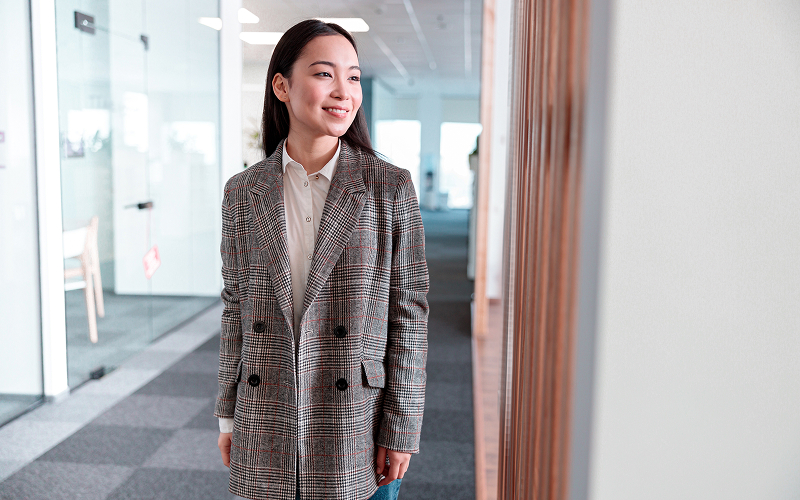
Office workers in Singapore differ widely in their professional roles. Corporate employees, healthcare practitioners, retail staff, and educators all face different dress codes while being constantly exposed to low indoor temperatures. Selecting appropriate cold wear in Singapore should start with understanding the work environment that the workplace’s respective dress culture allows.
Corporate finance or legal sectors demand conservative and polished attire. Professionals in these settings usually wear blazers, tailored trousers, or sheath dresses. Cold wear must match this formality. Wool-blend blazers, neutral-toned cardigans, or inner vests suit boardroom conditions. Colour choices such as navy, charcoal, or beige maintain visual consistency while allowing discreet layering.
On the other hand, tech and creative industries usually allow more relaxed dress policies where employees enjoy flexibility in texture, colour, and cut. Cold wear choices may include oversized cardigans, soft bomber jackets, or turtlenecks under casual blazers. Fabric choice still matters when workers benefit from wearing cold wear in Singapore that blocks out aggressive AC ventilation while allowing natural airflow during lunch runs or transport.
Healthcare professionals, such as clinicians and administrative hospital staff, encounter unique challenges since they spend long hours in cold examination rooms or hospital corridors, but must remain agile. Lightweight fleece jackets, long-sleeved scrubs with thermal linings, and breathable knit layers underneath uniforms serve well in maintaining warmth intact without disrupting hygiene standards.
Retail and customer-facing workers often transition between shop floors and stockrooms and these areas may differ in temperature. Breathable cotton-blend jackets, button-up vests, and structured long-sleeved tops offer insulation without compromising mobility. As most service environments require tidy presentation, avoiding puffy outerwear or loud prints ensures customers focus on service rather than attire.
Educators, from preschools to tertiary institutions, also work in highly air-conditioned spaces. Thus, layers that allow movement during presentations or long lectures help retain comfort. Knit blazers, jersey-fabric dusters, and pullovers with collared shirts underneath fit formal standards without restricting movement.
Making thoughtful decisions about cold wear in Singapore based on profession allows each worker to present themselves confidently while managing temperature variations throughout the day.
Dressing Appropriately for Formal and Casual Workplaces
Some companies enforce a formal dress code while others allow and lean into more casual wear, a preferred cold wear in Singapore must adapt to these standards without drawing attention and creating discomfort.
In formal office settings, appearances must stay crisp and understated. For example, suit jackets with added lining, tailored waistcoats, or classic trench coats become reliable staples in such situations. These items allow insulation in meeting rooms and elevators without losing a professional image. Women can pair sleeved midi dresses with wool-blend blazers, while men benefit from layering dress shirts with fine-knit pullovers under blazers.
Scarves in subdued tones serve a functional accessory and aesthetic purpose. Professionals attending early morning meetings or long client sessions can rely on such lightweight accessory items to cut the chill while complementing formal outfits. Leather gloves or hats, however, usually remain unnecessary given Singapore’s mild outdoor temperatures.
Casual workspaces invite more flexibility, but comfort should never override professionalism. Employees can combine denim with structured jackets, long-sleeved shirts with fitted pullovers, or casual skirts with longline cardigans. And when it comes to footwear, closed-toe options such as Oxford flats or leather sneakers help maintain temperature balance during hours spent in air-conditioned rooms.
Cold wear in Singapore should serve not only as a climate solution but also as a way to reinforce workplace presence and those professionals who dress with intention signal commitment and self-respect, regardless of industry or office dress policy. Consistency in neat layering, practical fabric selection, and colour coordination builds a visual identity that speaks before words do.
Building a Practical Cold Wear Wardrobe in Singapore
Professionals with a functional wardrobe can struggle with how to rotate cold wear effectively in Singapore. Given that the climate outside remains hot and humid, overstocking heavy outerwear leads to waste and discomfort. Thus, creating a curated set of pieces suited for indoor cold requires precision. Here are some tips:
1. Start by investing in versatile layering items.
Choose cardigans in neutral colours, like grey, navy, cream, or olive, that match with existing tops, shirts, and dresses. These pieces can fold easily into bags or hang discreetly on office chairs. Avoid piling up thick knits; instead, go for medium-gauge layers that provide comfort without trapping sweat.
Structured outerwear such as lined blazers, cropped jackets, or mid-length vests suits daily use in air-conditioned settings; these can transition smoothly between boardrooms and cafeterias. Professionals often rotate 3–5 pieces each week, depending on work schedules, presentation duties, or external engagements.
2. Innerwear should not be overlooked.
Thermals with anti-odour fabric or mesh-lined undershirts help maintain body warmth in cold rooms without adding visible bulk. Singaporean professionals who frequently travel between buildings or use MRT stations benefit from base layers that insulate lightly but regulate moisture.
3. Fabric maintenance matters.
Many quality cold wear in Singapore may lose effectiveness when poorly washed or stored, so choosing easy-care materials that resist pilling or wrinkling extends wardrobe life. Clothes made from merino wool blends or jersey knits hold shape better after repeated use and provide consistent comfort.
Cold wear in Singapore functions best when curated deliberately. Professionals who streamline options reduce daily decision fatigue while maintaining a sharp, functional appearance throughout their workweek.
Prioritising Mobility Without Compromising Warmth
Remaining warm in professional spaces often requires managing movement, especially when office workers attend presentations, stand during briefings, or walk between buildings. An ideal cold wear in Singapore must support motion without restriction.
Tight or overly thick materials often inhibit mobility. Professionals should opt for flexible fabrics with natural stretch. Garments made from jersey-knit cotton, bamboo-blend fabrics, or elastane-infused wool allow arms and shoulders to move freely. Business-casual settings benefit from tunics or blouses with loose cuffs and cardigans with side slits.
Men working in corporate offices may opt for tailored suit separates over full suits. Mixing tailored trousers with thermal shirts and lightweight pullovers has insulation without stiffness. Those in sales or fieldwork should rely on pieces of cold wear in Singapore that fit snugly but stretch during activity. Softshell jackets or fleece-lined shirts offer functional support in client-facing engagements.
Pencil skirts or fitted pants limit mobility, especially during site visits or training sessions. Professionals who need more movement during the day can explore culottes, tapered slacks, or midi-length skirts paired with thermals. These allow for coverage without compromising freedom.
Cold wear in Singapore should never sacrifice movement for warmth. With functional tailoring and smart fabric combinations, professionals can maintain their full range of motion while staying protected against harsh, cold indoor air.
Wearing Cold Wear Pieces: Etiquette in Shared Professional Spaces
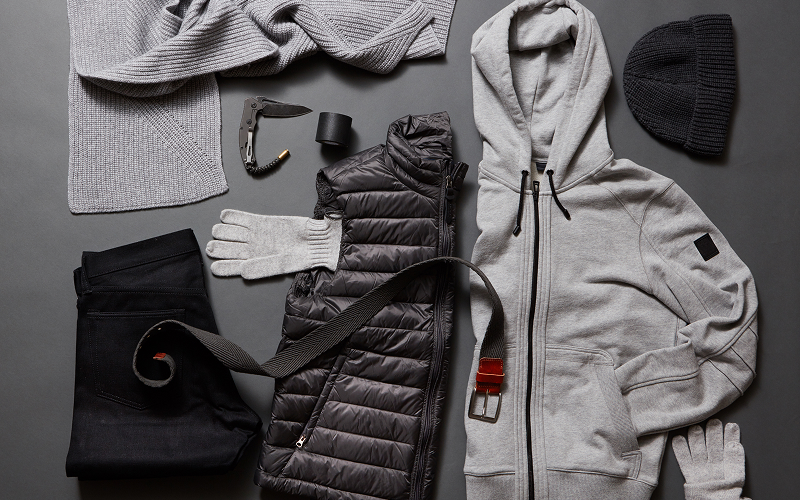
Singapore’s modern work culture includes co-working spaces, open-plan offices, and shared meeting rooms. In such environments, personal choices of cold wear in Singapore must reflect awareness of shared temperature settings and social norms. Professionals dressing for shared spaces should avoid pieces that distract, encroach on others’ comfort, or signal disregard for workplace culture.
In many offices, air-conditioning stays fixed at a preset temperature. Individual employees wearing excessive layers may prompt unnecessary thermostat debates. Dressing thoughtfully in cold wear in Singapore means staying prepared with layers that warm without needing environment-wide adjustment and prompting team-wide changes.
Avoiding overpowering scents becomes essential. Some cold wear pieces retain fragrances from home, perfume, or laundry agents. In tightly shared spaces, these smells may overwhelm colleagues. Professionals must choose odour-neutral layers and wash garments with mild detergents, as wearing cold wear that respects others’ sensory boundaries helps preserve shared professionalism.
While individuality holds value in creative industries, shared corporate settings favour muted palettes. Stick to subdued tones and earth hues, such as navy, grey, or burgundy, when selecting cold wear in Singapore. Minimalist styles help preserve team harmony and avoid visual distractions during meetings.
Thick coats with rustling fabrics or outerwear with zippers that clang against desks disrupt work focus. Choosing quiet fabrics, such as felt, cotton blends, or soft knits ensures seamless integration with surrounding teams. Even choosing bags to store jackets should account for noise. Avoid velcro closures or crinkly plastic storage.
Wearing appropriate cold wear in Singapore’s communal spaces requires sensitivity. Aligning your outfit with both your comfort and your colleagues’ peace ensures mutual respect and reinforces your professional image.
ALSO READ: After Hours, After Stress: Top 5 Activities To Decompress After Work
Mastering Layering Techniques for All-Day Temperature Control
Layering stands out as the smartest approach for professionals facing Singapore’s climate contrast. Workers begin their days commuting through humid outdoor heat and quickly transition into freezing office interiors. Effective layering helps maintain balance without repeated wardrobe changes. But how?
1. Start with breathable base layers.
Sleeveless tops or inner shirts made from bamboo viscose or fine cotton act as temperature-regulating foundations. These layers keep skin dry and act as barriers between the body and cooler air. They remain useful for those commuting or moving between indoor and outdoor settings.
Mid-layers add insulation. Knitted vests, fine-gauge pullovers, or thin fleece jackets serve well as intermediate options for cold wear in Singapore. Professionals should choose textures that slide easily under outer blazers or tailored coats. This approach creates flexibility: professionals can add or remove layers based on room conditions without compromising appearance.
2. Top layers must reflect professionalism.
A sharp blazer, a duster jacket, or a smart zip-up cardigan completes the look. These pieces work well during meetings or client-facing activities while offering warmth for extended hours of air-conditioning exposure. Choosing unlined or half-lined jackets reduces bulk and allows air circulation once outdoors.
Women can incorporate layering into dresses by pairing sleeveless outfits with fitted long-sleeved inner tops. Men may wear undershirts under dress shirts, topped with a structured sweater or formal blazer. Avoid chunky knits or coats that overpower office desks or crowd small workspaces.
Accessories like scarves, arm sleeves, or ponchos offer additional layering flexibility. Professionals can drape, fold, or remove these items quickly based on sudden shifts in temperature. Cold wear in Singapore that adapts across settings proves most effective in supporting day-long comfort and style.
Cold Wear Tips for Professionals Constantly on the Move
Many professionals in Singapore work across multiple locations throughout the day. Whether meeting clients across offices, visiting industrial sites, or attending external events, they rely on practical cold wear to manage temperature shifts.
Portable cold wear in Singapore becomes essential. Lightweight outerwear such as wrinkle-resistant cardigans, foldable jackets, or synthetic-blend coats fits easily into work bags without losing shape. Many professionals prefer softshell jackets or wool-blend pieces that maintain form even after being packed tightly.
Mobility also depends on design so choose outerwear with zip or button closures instead of pullovers. This allows quicker adjustments during commutes. Cold wear in Singapore must support fast transitions, whether entering an MRT station, walking across shaded alleys, or stepping into air-conditioned cabs. Coats with large hoods or thick collars may feel restrictive, so professionals should opt for streamlined flattering designs that function equally.
Layering with mobile professionals in mind also means considering wrinkle resistance. Materials like Tencel or polyester blends resist creasing and remain presentable after long hours of wear. Opt for anti-static linings that avoid clinging to inner clothing during rapid movement. Professionals in sales, real estate, or consulting often remove and re-layer jackets during meetings. Their cold wear must look fresh with each appearance.
Accessories play supporting roles. Foldable scarves, gloves stored in laptop bags, or reusable thermal wraps allow added flexibility without burden. Some cold-weather items include smart temperature-regulating fabric or UV-resistant material, allowing better performance outdoors without trapping heat.
Even brief transitions outdoors can cause sweating when wearing insulating garments. Moisture-wicking linings, mesh ventilation zones under arms or backs, and half-zip collars help manage body temperature on the go. Selecting cold wear in Singapore that suits mobile professionals means blending function with form, anticipating needs before discomfort sets in.
Coordinating Cold Wear with Workplace Branding and Roles
In many corporate settings, professionals represent their organisations during events, client visits, or marketing engagements. Cold wear becomes part of personal branding and corporate identity. Employees must coordinate their outfits not only for temperature management but for image alignment.
An ideal cold wear in Singapore should complement uniform colours or corporate tones, and for industries like hospitality, education, or finance, presenting a unified visual identity enhances brand coherence. Employees can wear neutral outer layers that don’t conflict with issued uniforms or internal dress codes. Consider navy, charcoal, tan, or heather grey as safe options for maintaining visual harmony.
Client-facing staff also need to maintain consistency. An employee stepping out of a cab in a wrinkled hoodie undermines brand image, even if their main uniform stays pristine underneath. Cold wear in Singapore must support quick transitions from outdoors to boardrooms while keeping company branding intact.
Professionals involved in media, public speaking, or brand representation require cold wear that photographs well. Materials with matte finishes, smooth textures, and minimal logos or creases work best under stage lighting or camera setups. Wearing dark outerwear also conceals sweat or accidental spills, keeping presenters composed in high-pressure settings.
Job function also influences cold wear decisions.
Frontline customer service staff may need embroidered vests or jackets matching the department’s identity. Internal staff may choose more flexible attire with only indirect exposure. Understanding one’s audience, clients, students, vendors, or regulators, helps determine what cold wear in Singapore conveys the right message in maintaining brand professionalism and reinforcing individual credibility.
Avoiding Common Mistakes When Selecting Cold Wear in Singapore

Professionals often make avoidable errors when buying cold wear in Singapore. These mistakes usually involve overestimating the cold, misunderstanding indoor temperature behaviour, or prioritising aesthetics over practicality.
One common mistake includes choosing thick winter jackets designed for snow or freezing outdoor climates. These garments create discomfort during short outdoor commutes and cause much overheating. Offices in Singapore rarely require such intensity. Instead, wearing medium-weight layers with breathable weaves better suits indoor conditions.
Another mistake involves relying on trend-driven pieces that lack insulation. Professionals may buy fashion-forward jackets or oversized knitwear that look appealing but offer no protection from cold air-conditioning. Without proper material composition or construction, such pieces fail in daily use.
Some also underestimate maintenance needs. Certain fabrics shrink, lose shape, or trap odour easily when improperly cared for. Choosing cold wear in Singapore without considering washing frequency, machine compatibility, or storage leads to faster wear and reduced functionality.
Professionals also overlook fit. Loose or oversized jackets look untidy in formal settings, while overly tight ones limit movement. Focusing on garments that drape well, match body proportions, and layer easily ensures comfort without sacrificing style.
Avoiding these blunders enhances the long-term value of every piece worn inside Singapore’s cold office environments. Practicality, versatility, and fit remain the most reliable decision drivers.
Maintaining Cold Wear for Long-Term Use
Cold wear items receive heavy use across Singapore’s professional workweek and regular exposure to cold, perspiration, and handling can take a toll on any garment’s life. Following consistent care practices extends their performance and appearance. Here are a few tips:
1. Always follow washing instructions.
Many insulating layers are composed of blended materials sensitive to heat or spin cycles. Professionals should opt for gentle cycles with cold water and avoid dryers unless the label permits. Using laundry bags for delicate items prevents abrasion and maintains fabric structure.
2. Allow jackets and cardigans to air out after wear.
Hanging garments in an open space eliminates trapped moisture and odour. Avoid folding damp clothing into bags or lockers, as this encourages mould and unpleasant smells. For office workers, keeping a designated hook or hanger in cubicles helps maintain shape between wears.
3. Store cold wear during warmer months with breathable storage bags.
Avoid plastic covers, as these trap humidity. Use cedar balls or moisture absorbers to prevent moth damage or mildew.
Inspect seams, zippers, and linings regularly. Cold wear in Singapore can withstand frequent use, so checking for loose threads or faulty closures keeps clothing functional. Making minor repairs early avoids bigger garment issues later.
Rotating pieces throughout the week also prevents fabric fatigue. Instead of relying on a single cardigan or blazer daily, maintain a wardrobe that offers enough variation for cleaning breaks and seasonal updates.
Maintaining pieces of cold wear in Singapore through intentional care ensures professionals always look presentable and feel comfortable. With regular upkeep, each layer continues delivering the warmth and support needed inside Singapore’s chilled professional environments.
Final Thoughts on Professional Dressing with Cold Wear in Singapore
Professionals working in Singapore experience daily challenges balancing comfort, corporate image, and practical wardrobe planning. With temperatures remaining cold indoors but hot outside, smart dressing depends on mastering layers, choosing breathable materials, and respecting dress codes.
Wearing cold wear in Singapore doesn’t require a heavy investment or bulky wardrobes. It demands strategic selection—items that layer easily, perform reliably, and align with one’s role. By focusing on fit, material quality, and style consistency, working individuals navigate the sharp indoor-outdoor temperature contrast without distraction. Each decision, from fabric to fit to layering order, supports daily function and long-term professionalism across changing environments.
Looking for more ways to stay sharp, confident, and prepared in your profession? Visit SG Professionals Guide for practical tips on professional dressing, career growth, and workplace strategies suited for Singapore’s fast-moving environment.