
Key Takeaways
- Family-friendly venues create inclusive environments that welcome both employees and their families without feeling forced or overly formal
- Flexible layouts and facilities allow organisers to host anything from corporate briefings to community fairs in one space
- Built-in amenities such as play areas and accessible dining ease planning and reduce logistical stress
- These venues naturally encourage stronger engagement, especially for multi-generational audiences
- Choosing the right setting often shapes how memorable and well-attended an event becomes
TABLE OF CONTENTS
Introduction
Planning an event in Singapore often feels like balancing two worlds at once. On one hand, there are corporate expectations: structure, professionalism, and clear outcomes. On the other hand, there is a growing desire for events to feel warm, relaxed, and genuinely enjoyable. That tension explains why family-friendly venues have gained so much traction.
These spaces do more than accommodate children or large groups. They shift the tone entirely. A venue that welcomes families tends to soften rigid boundaries, encouraging conversations that flow more easily and participation that feels less like an obligation.
Why Inclusivity Changes the Atmosphere
When events take place in family-friendly venues, the guest list often expands in a meaningful way. Employees bring partners, children, and even parents. Community organisers see higher turnout across age groups. The result is a setting that feels fuller, not just in numbers but in energy.
There is also a subtle psychological shift. People tend to relax when they know the environment is designed for comfort rather than strict formality. Conversations stretch beyond work topics, networking becomes less transactional, and even a corporate function starts to feel like a shared experience rather than a scheduled obligation.
Spaces That Adapt Without Fuss
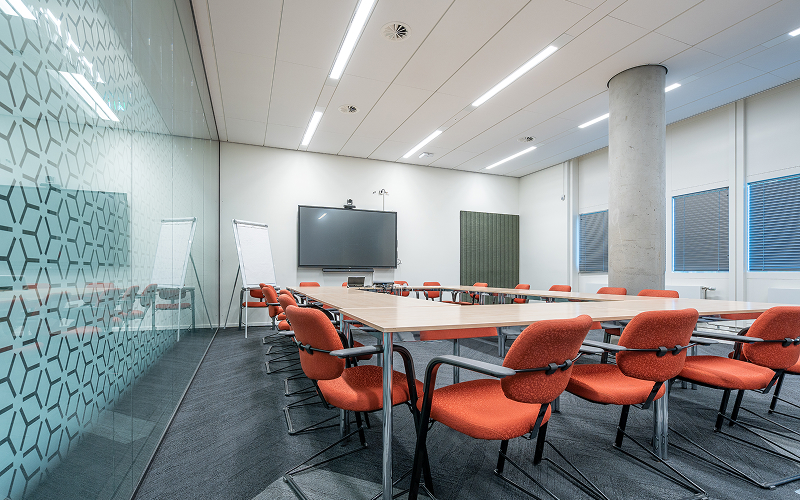
A well-designed venue does not force organisers into rigid formats. It bends a little. Conference-style seating can transition into open areas for mingling, while outdoor zones offer breathing room for guests who prefer a quieter corner.
This flexibility becomes especially useful for hybrid events. A morning seminar can flow into an afternoon family gathering without requiring a venue change. In Singapore, where space is always at a premium, that kind of adaptability is more than convenient. It is practical.
Many family-friendly venues also integrate thoughtful zoning. Children have their own areas, adults have theirs, and shared spaces bring everyone together at the right moments. Nothing feels cramped or chaotic, even when attendance is high.
READ MORE:How Professionals Are Rethinking Birthday Party Venues in Singapore
Built-In Conveniences That Quietly Matter
The appeal of family-friendly venues often lies in the details that organisers might overlook at first. Sometimes, on-site catering that caters to different age groups, rest areas that do not feel like an afterthought, and facilities that are accessible without needing constant supervision.
These features reduce the need for external vendors and complicated coordination. Event planners can focus on the programme instead of troubleshooting small but time-consuming issues.
Even something as simple as having safe play areas can make a difference. Parents stay longer, engage more, and participate fully. That alone can change the success of an event.
Engagement That Feels Natural, Not Forced
There is a common misconception that professional events must feel structured to be effective. Yet engagement often grows stronger when the setting allows people to interact more freely.
In family-friendly venues, activities tend to emerge organically. Children draw attention, conversations spark around shared experiences, and attendees move around instead of remaining fixed in one place. It may look informal, but it often leads to deeper connections.
Frequently Asked Questions (FAQs)
What types of events suit family-friendly venues?
Corporate gatherings, team-building sessions, product launches, and community celebrations all fit comfortably within these spaces.
Do these venues compromise on professionalism?
Not necessarily. Many are designed to balance comfort with functionality, offering meeting rooms alongside leisure areas.
Are they suitable for large groups?
Yes, most family-friendly venues are built to handle varied group sizes with flexible layouts.
Do they increase event costs?
While some may appear pricier upfront, built-in facilities often reduce the need for additional services, balancing overall expenses.
Conclusion
Choosing a venue shapes more than logistics. It influences how people interact, how long they stay, and what they remember afterwards. Family-friendly venues bring a sense of ease that traditional spaces sometimes lack, blending structure with warmth in a way that feels natural rather than staged.For organisers in Singapore, that balance is becoming increasingly valuable.
Visit SG Professionals Guide to explore more insights and for the latest content.