
Key Takeaways
- Different gym classes in Singapore cater to strength, endurance, flexibility, and recovery goals.
- Training styles range from high-intensity formats to slower, technique-driven sessions.
- Class structure, coaching style, and group dynamics can influence motivation and results.
- Choosing the right class depends on personal goals, schedule, and preferred pace of progress.
TABLE OF CONTENTS
Introduction
Walk into any modern fitness studio, and the variety can feel overwhelming. Screens display class schedules packed with options, instructors shout cues over music, and every room seems to promise something slightly different. Gym classes in Singapore have evolved far beyond simple group workouts; they now reflect distinct training philosophies, each designed for a specific outcome.
Understanding those differences makes a surprising impact. It changes how expectations are set, how progress is measured, and even how enjoyable a session feels after a long workday.
High-Intensity Training: Fast, Focused, Demanding
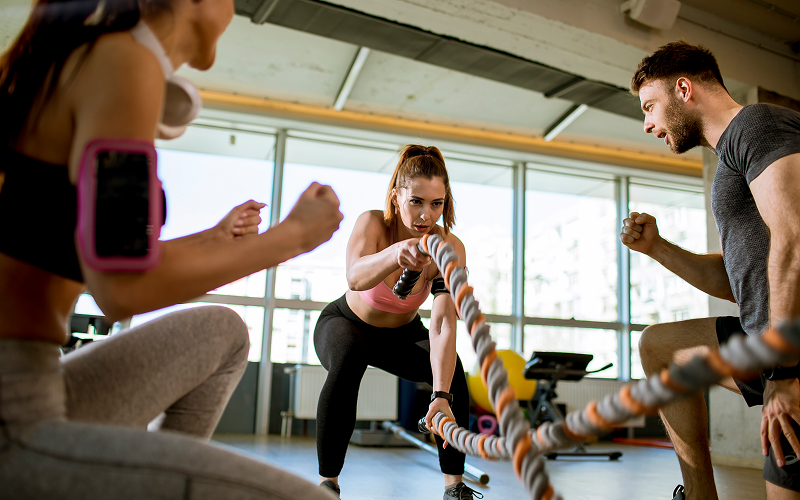
Some classes move quickly and leave little room for hesitation. High-intensity interval training, often shortened to HIIT, alternates bursts of effort with brief recovery windows. Heart rates climb fast, and so does the sense of urgency.
These gym classes in Singapore appeal to busy professionals who want efficiency. A 45-minute session can feel like a full workout compressed into half the time. Still, the pace can be unforgiving. Newcomers sometimes find themselves catching their breath more often than expected, which is perfectly normal.
There is a rhythm to it, though. Once the body adapts, those short intervals start to feel almost addictive.
Strength and Conditioning: Building From the Ground Up
Step into a strength-focused class, and the tempo shifts. Movements become more deliberate, with attention placed on form, control, and gradual progression. Barbells, kettlebells, and resistance machines take centre stage.
Unlike fast-paced sessions, these gym classes in Singapore reward patience. Improvements show up quietly, perhaps in the form of heavier lifts or steadier posture. Coaches often break down each movement, offering cues that feel technical at first but eventually become second nature.
Interestingly, the atmosphere tends to be less frantic and more focused. There is conversation between sets, small corrections, and a sense of shared effort that builds over time.
READ MORE:7 Lifestyle Wins When You Join a Rock Climbing Gym
Mind-Body Classes: Slowing Down to Move Better
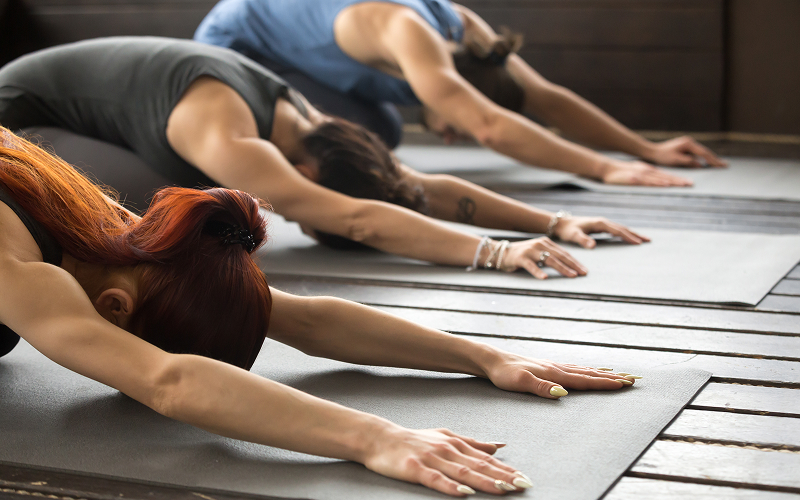
Not every class is about intensity or load. Some prioritise how the body moves rather than how hard it works. Pilates and mobility sessions fall into this space.
At first glance, these formats can seem gentler. Then the subtle challenge appears. Holding a position, controlling breathing, or maintaining balance engages muscles in ways that surprise even experienced gym-goers.
Many gym classes in Singapore now integrate these styles into weekly routines. They act as a counterbalance to more demanding sessions, helping reduce fatigue and improve overall movement quality.
Hybrid Formats: When Styles Start to Blend
Fitness trends rarely stay in neat categories. Studios increasingly combine elements from different disciplines, creating hybrid classes that mix strength and cardio within a single session.
One moment might involve lifting weights, followed by a short sprint or a stretch sequence. It sounds chaotic, but when structured well, it keeps sessions engaging and prevents monotony.
These blended gym classes in Singapore often attract those who prefer variety. The unpredictability keeps attention sharp, and boredom rarely has a chance to settle in.
Frequently Asked Questions (FAQs)
How often should gym classes be attended each week?
Most people benefit from attending three to five sessions weekly, depending on intensity and recovery needs.
Are group classes suitable for beginners?
Yes, many classes offer beginner-friendly options or scalable movements that can be adjusted.
What should be considered when choosing a class style?
Fitness goals, current fitness level, and personal preferences all play a role in selecting the right format.
Do gym classes replace personal training?
They can complement it, though personal training provides more tailored guidance for specific goals.
Conclusion
The variety found in gym classes in Singapore reflects how fitness has become more personalised. Some sessions push limits, others refine movement, and a few manage to do both in one sitting. The key lies in recognising what each style offers and how it fits into a broader routine. Curious to explore more fitness insights and local recommendations?
Visit SG Professionals Guide to stay updated with the latest content.