
Key Takeaways
- Wearable devices are reshaping how workouts are tracked, measured, and refined in real time
- Data from smartwatches and fitness bands helps personalise training programmes with surprising accuracy
- Many top gyms now integrate wearables with in-house systems for seamless performance monitoring
- The shift towards data-driven fitness is making workouts feel more structured, engaging, and accountable
TABLE OF CONTENTS
Introduction
Stepping into a modern gym no longer feels like entering a room full of machines and mirrors. There’s a quiet layer of technology at work, tracking heart rates, counting reps, and translating effort into numbers that actually make sense. Across many top gyms in Singapore, wearable tech has slipped into everyday routines so naturally that it almost goes unnoticed—until the results start showing.
From Guesswork to Data-Led Workouts
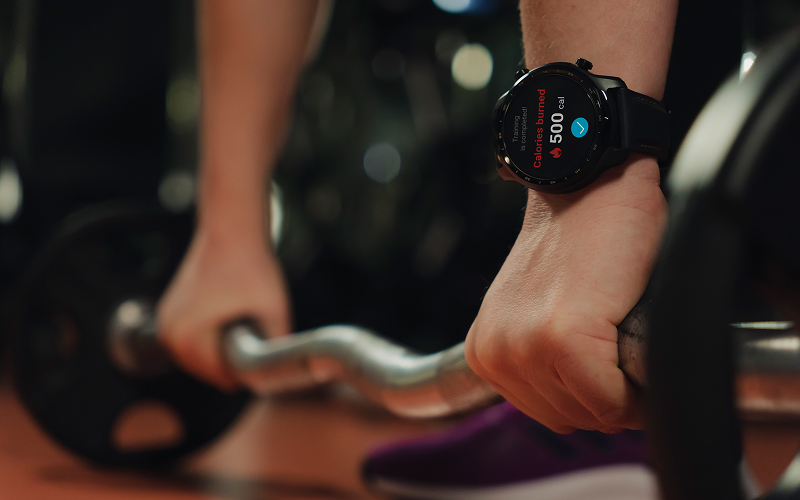
Not long ago, gauging workout intensity relied on instinct. A fast pulse, a bit of sweat, maybe a rough sense of fatigue. Now, wearables like a smart watch or health trackers replace that guesswork with clear metrics. Calories burned, heart rate zones, recovery times—everything appears in neat graphs and colour-coded summaries.
That shift changes how people train. Instead of pushing blindly, gym-goers adjust effort based on live feedback. A run on the treadmill becomes a controlled session, not just a test of endurance. Strength training follows a similar pattern; rest intervals are timed, and consistency improves almost without thinking about it.
At the centre of it all is continuous health tracking, which works by combining multiple sensors and algorithms to interpret what the body is doing in real time. Optical sensors beneath the device use light to detect blood flow, allowing heart rate to be measured beat by beat. Accelerometers and gyroscopes capture movement patterns, distinguishing between walking, running, or lifting weights. Some devices even estimate oxygen levels or stress by analysing subtle changes in heart rate variability. All this raw data is then processed into readable insights—like whether a workout stayed within a fat-burning zone or pushed into high-intensity territory—so users are not just exercising, but understanding how their bodies respond moment to moment.
That shift changes how people train. Instead of pushing blindly, gym-goers adjust effort based on live feedback. A run on the treadmill becomes a controlled session, not just a test of endurance. Strength training follows a similar pattern; rest intervals are timed, and consistency improves almost without thinking about it.
When Your Gym Syncs With Your Watch
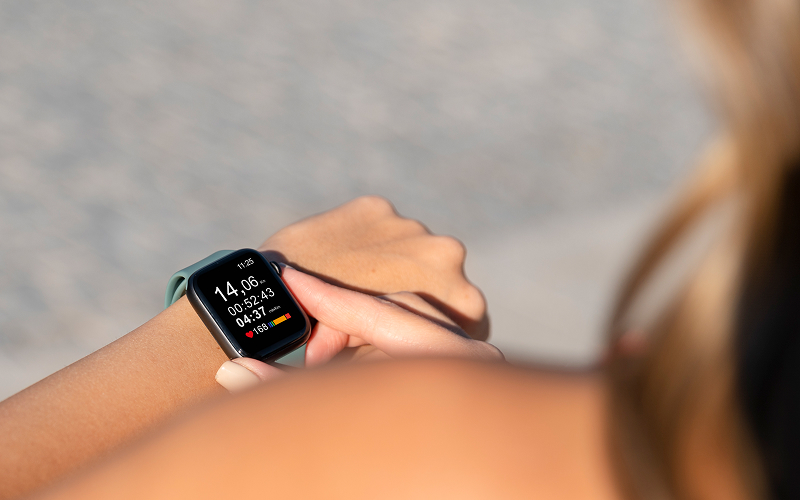
The experience deepens when wearables connect directly with gym systems. Several top gyms in Singapore have begun syncing member devices with their equipment or mobile apps. A quick tap, and the machine already knows the user’s profile, preferred settings, even past performance.
It feels small at first, but it adds up. Progress is no longer scattered across apps or forgotten in memory. Instead, it builds into a continuous record, one that trainers can reference and refine. There’s a sense of continuity that traditional workouts rarely offered.
Smartwatches make this possible by acting as compact hubs that collect, store, and transmit data throughout a workout. Inside the device, a small processor continuously interprets signals from sensors while maintaining a wireless connection via Bluetooth or Wi-Fi. When paired with gym equipment or fitness apps, the watch sends real-time metrics—heart rate, pace, repetitions—so machines can adjust resistance or display personalised targets instantly. Many models also sync with cloud platforms after each session, ensuring that progress logs, trends, and recommendations remain updated across devices. It’s a quiet exchange of information, yet it allows workouts to feel connected rather than fragmented.
It feels small at first, but it adds up. Progress is no longer scattered across apps or forgotten in memory. Instead, it builds into a continuous record, one that trainers can reference and refine. There’s a sense of continuity that traditional workouts rarely offered.
Personalisation That Actually Feels Personal
Personal training used to depend heavily on observation and conversation. Both still matter, but wearable data sharpens the process. Trainers can spot patterns—plateaus, overtraining, inconsistent effort—without relying on guesswork.
That makes programmes more responsive. A slight dip in recovery scores might lead to lighter sessions, and a steady improvement in endurance could prompt a new challenge. Within top gyms in Singapore, this kind of adjustment happens quietly in the background, yet it changes how effective each session feels.
ALSO READ: Gym Climbing for Aspiring Athletes: Skills and Career Pathways
Motivation, Gamification, and Friendly Pressure
There’s also a psychological layer to consider. Numbers have a way of nudging behaviour. Closing activity rings, hitting weekly targets, or comparing stats with friends introduces a subtle form of competition.
Some gyms lean into this by integrating leaderboards or group challenges linked to wearable data. It adds a social edge without turning the space into a contest. Instead, it becomes a shared rhythm—everyone moving, tracking, improving in their own way.
What This Means for Gym Culture in Singapore
Fitness culture in Singapore has always been fast-moving, shaped by busy schedules and a preference for efficiency. Wearable tech fits neatly into that mindset. It compresses feedback into seconds and removes uncertainty from training decisions.
Across the top gyms in Singapore, the atmosphere reflects this change. Workouts feel more deliberate, less random. Conversations shift from “Did that feel tough?” to “Was that within your target zone?” It’s a subtle evolution, yet it redefines what progress looks like.
Frequently Asked Questions (FAQs)
Do wearable devices really improve workout results?
They provide measurable insights, which help users adjust intensity, track progress, and avoid overtraining, leading to more consistent outcomes.
Are wearables compatible with most gym equipment?
Many modern gyms support integration with popular devices, though compatibility can vary depending on the brand and system used.
Is wearable data useful for beginners?
Yes, beginners benefit from clear guidance on pacing and recovery, making workouts easier to understand and follow.
Do gyms in Singapore require wearables for training?
No, but many top gyms in Singapore encourage their use because of the added value in tracking and personalisation.
Conclusion
Wearable technology hasn’t replaced the fundamentals of fitness, but it has refined how those fundamentals are applied. Training feels less uncertain, progress becomes visible, and small adjustments lead to better outcomes over time. For anyone curious about how gyms are evolving, it’s worth exploring how these tools are shaping the experience. Visit SG Professionals Guide to stay updated with the latest insights and trends.