
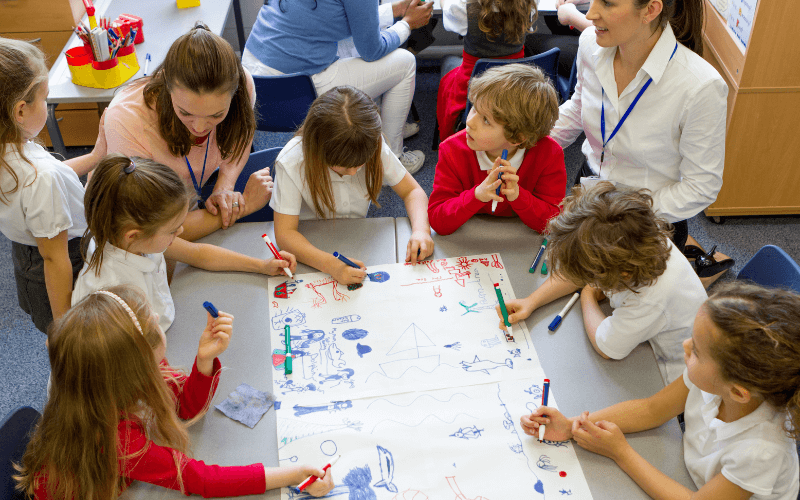
Stereotypes have long shaped the way students are perceived, often placing them into rigid categories that fail to acknowledge individuality. Whether it’s the “nerd,” the “troublemaker,” or the “overachiever,” these labels create unrealistic expectations that can impact students’ confidence and self-worth. In Singapore, where academic excellence is heavily emphasised, student stereotypes can be particularly overwhelming, leading to unnecessary stress and mental fatigue. It is crucial to address these misconceptions and empower students to break free from societal expectations, allowing them to grow into their unique selves.
The Impact Of Student Stereotypes On Identity
Student stereotypes often begin early, shaping the way teenagers see themselves and how they are treated by peers, teachers, and even parents. These labels can become a self-fulfilling prophecy—when a student is constantly told they are “not academic” or “not sporty,” they may begin to believe it, limiting their potential. Similarly, students labelled as “overachievers” might struggle under immense pressure to maintain unrealistic standards, leading to burnout.
In high schools across Singapore, teen issues in high school often stem from these rigid perceptions. Students who do not fit into predefined categories may feel out of place or misunderstood. This can lead to problems such as low self-esteem, difficulty forming genuine friendships, and reluctance to explore interests outside of what is expected of them. When individuals are placed into boxes, it stifles creativity and personal development, making it harder for students to navigate their own paths.
School Problems For Teens: Overcoming Stereotypes
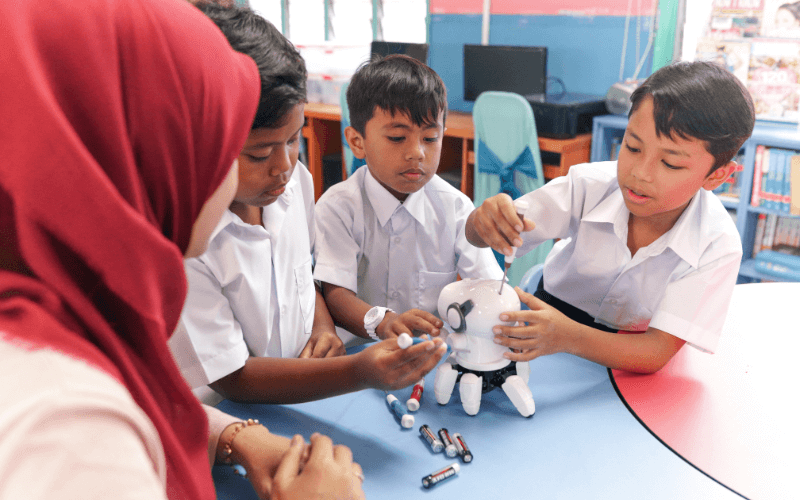
Breaking free from student stereotypes requires a conscious effort from students, educators, and parents alike. Schools should foster an inclusive environment where every student feels valued beyond their academic performance or extracurricular achievements. Encouraging open discussions about identity and individual strengths can help dismantle stereotypes and allow students to embrace their unique abilities.
Students can also take steps to redefine their self-perception. Instead of conforming to the labels placed upon them, they should be encouraged to explore their interests and talents. A student who enjoys both music and mathematics, for example, should not feel pressured to choose one over the other simply because of societal expectations. Schools should provide platforms for students to experiment with different activities without fear of judgement, enabling them to develop a well-rounded identity.
Parents play a vital role in combating stereotypes as well. Instead of reinforcing certain expectations, they should support their children in discovering what truly excites them. This means allowing students the space to make mistakes, change their minds, and explore different interests. By creating a nurturing environment at home, parents can help alleviate the pressure that often comes with school problems for teens.
Encouraging A Culture Of Acceptance
Beyond the classroom, society as a whole needs to shift its perspective on students and their capabilities. Success should not be defined solely by grades or achievements but by a student’s ability to adapt, learn, and grow. Emphasising soft skills such as resilience, problem-solving, and communication can help students see their worth beyond academic performance.
The media and popular culture also play a part in shaping student stereotypes. Films and television often reinforce certain images of what a “successful” student looks like, which may not reflect the diverse realities of Singaporean students. By promoting stories that highlight different paths to success, society can help challenge outdated perceptions and encourage students to embrace their individuality.
Final Thoughts
Navigating student stereotypes can be challenging, but it is possible with the right support and mindset. By shifting the focus away from rigid labels and encouraging individuality, students can build confidence in their own identities. Schools, parents, and society must work together to create an environment where students feel free to explore their interests without fear of judgement. Breaking the mould is not just about challenging stereotypes—it is about fostering a generation that values diversity, self-expression, and personal growth.
Visit SG Professionals Guide to learn more information on how to navigate student life with ease.