

Event planners handle more than just decorations and schedules. They manage every detail that shapes a memorable occasion—beginning with the venue. Selecting birthday party places demands more than visual appeal. Planners assess functionality, logistics, and guest needs before making recommendations. They understand that the venue sets the rhythm for the entire event.
Each birthday carries different expectations, and clients rely on planners to match those goals with the right space. Whether coordinating a child’s milestone or an adult’s private gathering, planners apply a strategic framework to select the most suitable setting. Their choices influence guest comfort, celebration flow, and even budget efficiency.
This article explores how planners make those decisions with care, focusing on location, amenities, layout, and client intent—all while keeping practicality and professionalism at the forefront.
Understanding the Client’s Expectations
Event planners start by gathering specific requirements directly from clients. They focus on preferences such as atmosphere, age group, expected guest count, and event theme. Planners never make assumptions. They ask direct questions to clarify whether the celebration leans casual or formal, indoor or outdoor, private or public.
Planners also check any restrictions. These include dietary needs, accessibility needs, or space requirements. Clients may want features like kid-friendly zones, photo booths, or rooms for live entertainment. These non-negotiables guide the planner’s direction.
Instead of offering a lengthy list of options, planners shortlist only venues that match early criteria. Doing this avoids wasted site visits and misalignment in vision. Birthday party places must support the client’s vision from the start.
Planners continue engaging the client throughout, adjusting suggestions only if changes arise. Being proactive keeps the planning process focused and efficient.
Matching Venue Type to Guest Profile
Planners assess the guest list before suggesting any venues. Age range, group size, and guest familiarity with one another influence the selection. An event for toddlers requires different considerations from one for working professionals.
Spaces must feel welcoming without being too crowded. Planners avoid selecting large halls for intimate parties and cramped lounges for extended families. The right size creates the right atmosphere.
They also factor in mobility. For children or elderly guests, venues must offer ease of movement, safe flooring, and available seating. For teens or younger adults, planners prioritise energetic settings that invite mingling.
Birthday party places offering flexible layouts serve well for mixed-age groups. Versatile spaces allow planners to adapt seating, zones, and activity areas without extra rental costs.
Planners always ensure the venue allows flow—whether it’s for playtime, food service, or simple conversations.
ALSO READ: 8 Tips to Unlock Your Career-Boosting Potential
Prioritising Location and Accessibility
Convenience matters. Planners review where most guests live or work before suggesting birthday party places. If the location sits too far off from public transport or major roads, turnout may suffer. Planners avoid this by mapping nearby access routes.
Parking remains another logistical factor. Event planners prefer venues with ample, secure parking or nearby drop-off points. For urban locations, planners look for valet services or offer transport options to clients.
Venues must also accommodate guests with mobility needs. Ramps, lifts, and accessible restrooms are essential for an inclusive experience. Event planners never leave accessibility to chance—they confirm all details in advance with venue managers.
Planners understand that guests won’t enjoy the event if reaching the venue becomes a chore.
Evaluating Amenities and Technical Support
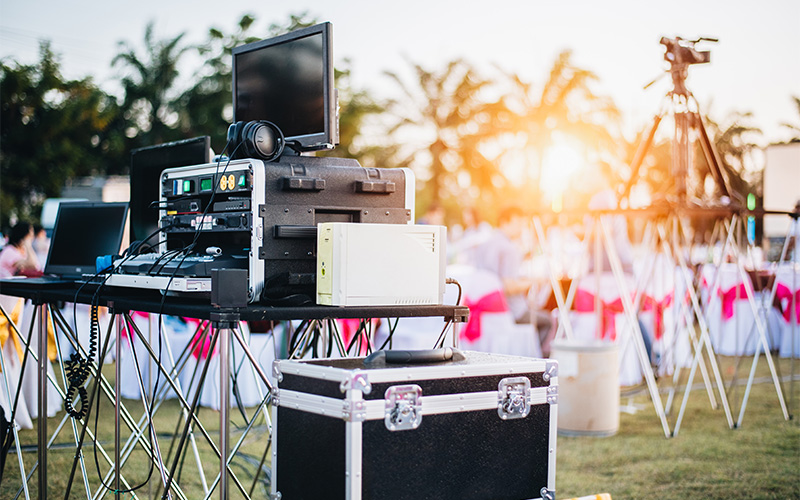
Modern birthday party places often include in-house amenities. Planners look for spaces with lighting, audio-visual tools, prep kitchens, and climate control. These features reduce external rental costs and streamline setup.
Technical readiness supports smooth execution. Planners never assume compatibility—they test lighting and sound systems beforehand. Backup plans stay in place in case of technical failures.
For parties with performances, speeches, or digital entertainment, AV capability becomes a must. Planners make sure the space can support screens, projectors, or music systems without interference.
Amenities also influence service quality. Birthday party places with on-site staff for catering, cleaning, or coordination help planners reduce outside hiring.
Birthday party planners prioritise functionality over decorative appeal. A polished venue still needs to work behind the scenes.
Checking Contracts and Hidden Costs
Planners read every venue contract line by line. They check for minimum spend requirements, corkage fees, and service limitations. Budget overruns often occur because of hidden charges planners overlook.
Venues sometimes charge extra for extended hours, additional guests, or special arrangements. Planners confirm these upfront. Transparency helps clients plan better.
Booking terms also matter. Some birthday party places require non-refundable deposits or have strict cancellation policies. Planners review these risks with clients early on.
Planners don’t just focus on cost—they assess value. A slightly higher rental fee might include more services, reducing separate vendor costs. The goal stays the same: maximise the client’s budget without compromising the event.
Looking to refine your planning knowledge or improve your client service? Visit SG Professionals Guide for more career and education blogs, insights on professional life, and practical tips to support your growth.