

When you walk into the Keppel Centre for Art Education at the National Gallery Singapore, you don’t just step into a gallery space, you enter a world tailored for children. A place where painting, sculpture, light and shadow aren’t distant ideas on a wall, but things to touch, tinker with and explore. The Centre’s very DNA is built around the concept that learning through art sparks curiosity, inquiry and expression in young minds. Each corner feels deliberate yet free, carefully guiding exploration while leaving space for imagination to run wild.
The Vision Behind the Centre
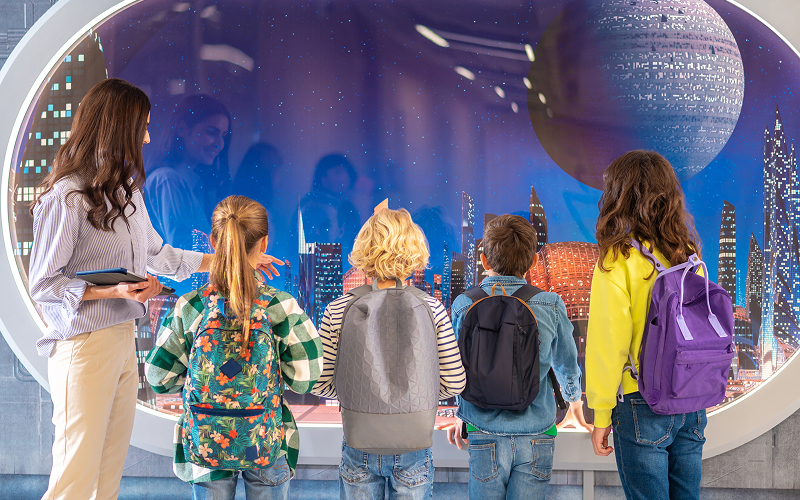
Established in 2015 as the region’s first dedicated art-education facility for children, the Keppel Centre for Art Education was designed for school groups, families and eager young learners. Its mission: to cultivate early interest in art and nurture skills that will stand our children in good stead in a world where creativity and critical thinking matter more than ever.
The Centre’s roots stem from a belief that art can be both accessible and intellectually rich. It’s not a place where children are told what to think; rather, it’s where they discover how to think creatively. By giving guidance with freedom, the Keppel Centre for Art Education has become a case study in how learning environments can shift from instructive to exploratory. Teachers and parents have both noticed that children who spend time here exhibit increased interest, empathy, and confidence when expressing ideas.
LEARN MORE: The Best Museums in Singapore for Learning Outside the Classroom
Why Learning through Art Matters
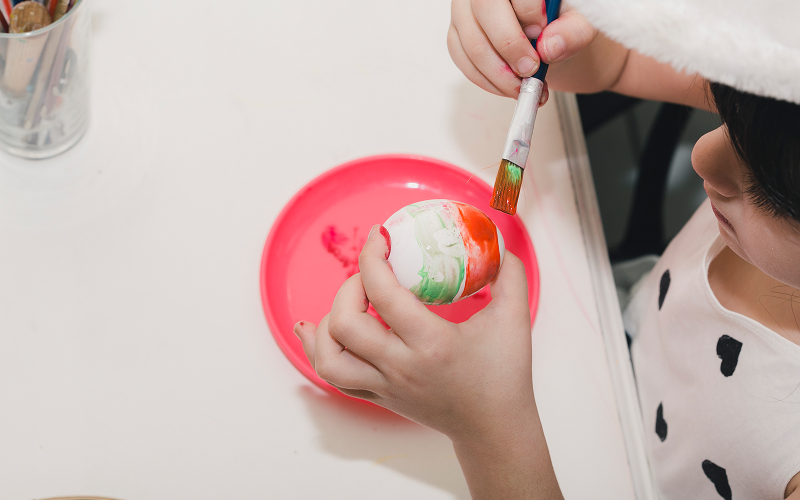
Why focus on art education in such depth? Because art offers far more than pretty pictures. It encourages observation, empathy, storytelling and experimentation. At the Keppel Centre, children have the chance to handle materials, build 3D sculptures, experiment with digital brushes and explore immersive installations.
More importantly, art connects different modes of learning. For some children, abstract ideas in school come alive through visual and physical play. When a child creates at the Keppel Centre for Art Education, a world of wonder for children to learn about art through play, they’re engaged in multiple senses: sight, touch, balance, even sound, turning learning into a whole-body experience. It’s not unusual to see students translating what they experience here into how they approach science or language back in school. Art becomes the bridge between subjects, reminding us that creativity is a foundation, not an afterthought.
What You’ll Find in the Zones
Let’s walk through some of the standout zones inside the Centre, places that bring art to life for children.
Art Corridor & Playscape
As soon as you arrive, children are greeted with playful installations designed around movement, shape and visual surprise. For example, in the “Wandering in Black and White” installation, kids build their own mini-cityscapes and observe how their shapes interact with light and shadow. This kid-friendly guide helps you explore more about the space.
The idea is to turn a static concept, contrast into something tangible. Watching light bounce across their creations, children begin to grasp visual logic and perspective. It’s the kind of experiential moment that textbooks can’t replicate. Through such setups, the Keppel Centre for Art Education reinforces the value of discovery: children discover that even shadows have stories.
Makers Studio / Experimentation Zone
A space for hands-on creation: children select materials, tools and textures to craft 2D and 3D artworks. They might use 3D pens, wooden blocks or digital painting tools, designed to encourage experimentation, iteration and playful failure.
This zone reflects one of the Centre’s strongest pedagogical ideas that art and design are cousins. The Keppel Centre for Art Education treats experimentation as a form of inquiry, encouraging children to test, adjust and collaborate. Here, failure isn’t a setback; it’s an insight. Many parents have found their children surprisingly patient after sessions here, proof that creativity teaches resilience in subtle ways.
Interactive Digital Zones
Digital brushes, projected installations and responsive surfaces invite children to engage with art through motion and technology. The Centre embraces this hybrid approach intentionally: bridging physical art with digital media to reflect how art is evolving for today’s generation.
These interactive elements acknowledge that children are digital natives. Yet rather than passively consuming screens, they are guided to use technology as a creative medium. At the Keppel Centre for Art Education, technology doesn’t replace imagination, it amplifies it. Whether waving hands to “paint” with light or triggering patterns through movement, each gesture becomes art-in-motion.
Workshop & Learning Programmes
Beyond free-play zones, the Centre runs structured programmes: drop-in sessions, parent–child workshops, and one-off themed activities. These build on the gallery’s wider exhibitions and teach children how to interpret, discuss and make art.
Workshops at the Keppel Centre for Art Education often feature collaborations with practising artists and educators. This bridges the gap between art appreciation and artistic practice. Children might work alongside sculptors or illustrators, learning the intent behind their processes. Such exposure gives them role models and a sense of belonging in Singapore’s growing creative ecosystem.
How Children Benefit
Children visiting the Keppel Centre gain in multiple ways:
1. Creative confidence – In a supportive environment, kids try things, fail, retry: they learn art is a process, and not just a product.
2. Visual literacy – They learn to look, question, and interpret artworks rather than passively observe. That visual critical-thinking skill crosses subjects.
3. Multisensory learning – They engage through sight, touch, movement and sound: this helps memory, engagement and makes the learning memorable.
4. Collaboration & communication – Many installations invite pairs or groups of children to collaborate, voice ideas and work through problems together.
5. Connection to culture – Since the gallery’s collection emphasises Singapore and Southeast Asia, children connect to their cultural landscape through art.
These outcomes align beautifully with Singapore’s evolving education ethos, which prioritises holistic development. The Keppel Centre for Art Education reinforces that creativity is not the opposite of discipline, it’s the balance. Parents often observe a subtle but powerful shift after repeat visits: children articulate ideas better, engage longer and display genuine curiosity about art in everyday life.
ALSO READ: What Students Can Learn from Visiting the Best Museums in Singapore
The Role of the Environment
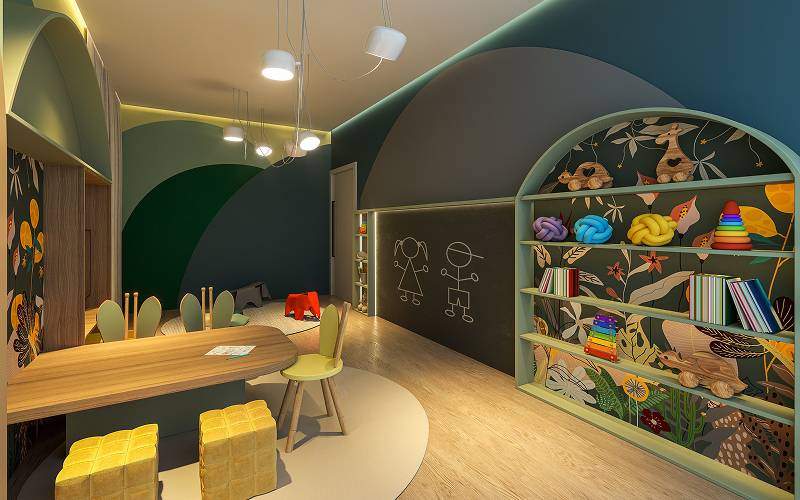
One of the standout features of the Centre is how the space itself is designed to empower young learners. The architecture and layout have been crafted by specialists (such as design firm WY-TO) with expertise in experiential learning.
Every corner of the Keppel Centre for Art Education encourages movement and choice. Materials are within reach, lighting is playful yet calming, and surfaces invite touch rather than restrict it. This design philosophy signals to children that exploration is expected, not forbidden. In doing so, the space becomes a silent teacher, shaping behaviour through layout and texture. Even adults walking through notice how relaxing yet stimulating the environment feels, proving that thoughtful design plays as important a role in learning as the content itself.
Tips for visiting
Planning a visit? Here are a few quick suggestions to get the most out of the experience:
- Age range: The Centre is designed especially for children aged 4–12.
- Time allocation: Expect at least an hour or two if you’d like to explore a couple of zones and join a workshop.
- Book ahead: Some programmes may require booking or have limited spots. Inquire ahead of time.
- Dress appropriately: Active play zones may involve art materials or surfaces. It is best to wear comfortable clothes.
- Combine with gallery tour: Pair the visit with a stroll around the National Gallery’s main exhibitions to give children context and inspiration.
- Bring curiosity, not expectations: Let the children lead their exploration; you’ll likely be surprised by what they choose to linger on.
The Keppel Centre for Art Education welcomes children aged 4 to 12 years, offering free entry and open access to most zones at the National Gallery Singapore. Families can plan their visit through the official booking page, which also lists upcoming workshops and events. A typical visit lasts around 1.5 to 2 hours, depending on how many zones you explore. The Centre is stroller-friendly, with lifts and accessible walkways, and provides quiet corners for children who need a sensory break. Family restrooms, baby-changing stations, and a café nearby make it easy to spend half a day there without stress.
Looking Ahead: Impact and Evolution
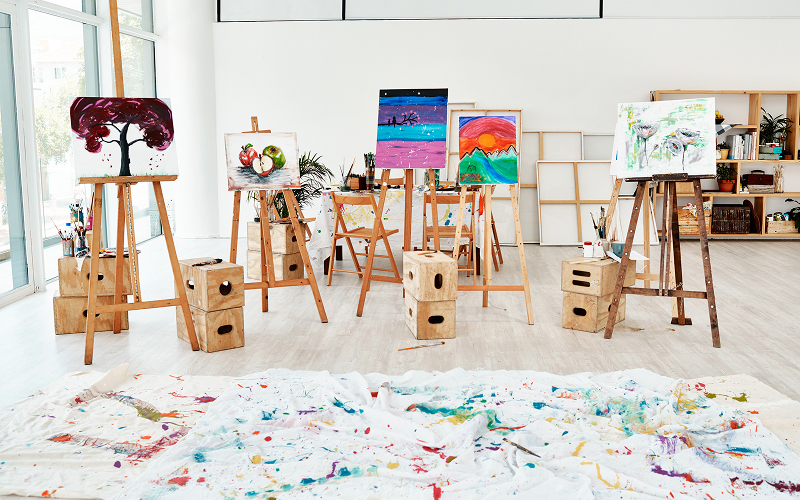
The Keppel Centre continues to evolve. With its 2023 relaunch, it reaffirmed the gallery’s commitment to art education in a rapidly changing world. The vision is clear: help young learners approach future challenges with creativity, resilience and an adventurous mindset.
As part of Singapore’s wider arts ecosystem, the Keppel Centre for Art Education now collaborates with regional partners to share insights and design approaches. This global exchange of educational art practices positions the Centre as more than a children’s gallery, it’s a living laboratory for future learning. The team constantly updates activities, ensuring they remain relevant to current topics like sustainability, digital culture and identity.
ALSO READ: Science Museums in Singapore That Bring Classroom Lessons to Life
Why It’s Relevant for Today’s Learners
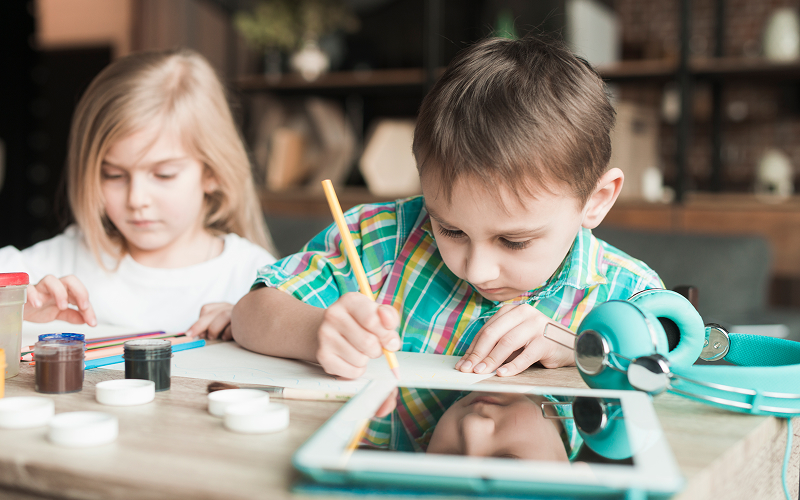
With rapid technological change, jobs and skills are shifting faster than ever. What remains consistently valuable is the ability to ask questions, make connections, and create solutions. Art education nurtures these skills. The Centre’s design and programmes reflect this forward-thinking approach: young learners don’t just consume art, they become part of it.
This mindset prepares children for the fluidity of modern life. The Keppel Centre for Art Education helps them approach uncertainty with curiosity instead of fear. They learn that ideas aren’t static; they evolve with perspective. When children recognise that thinking visually is as powerful as thinking logically, they become more adaptable, empathetic and confident, qualities that Singapore’s future workforce will need.
The Keppel Centre for Art Education offers an inspired model of how to engage young minds through art. It blends thoughtfully designed spaces with playful freedom, and champions active learning over passive observation. If you’re looking for a place where children can explore, question, create, and begin to see themselves as makers in a visual world, this Centre is it.
So if you’d like to spark curiosity, creativity and critical thinking in your children, plan a visit to the Keppel Centre for Art Education and experience how learning through art transforms perspectives.
Visit SG Professionals Guide to find practical tips and upcoming events for planning your trip.